Palletisers
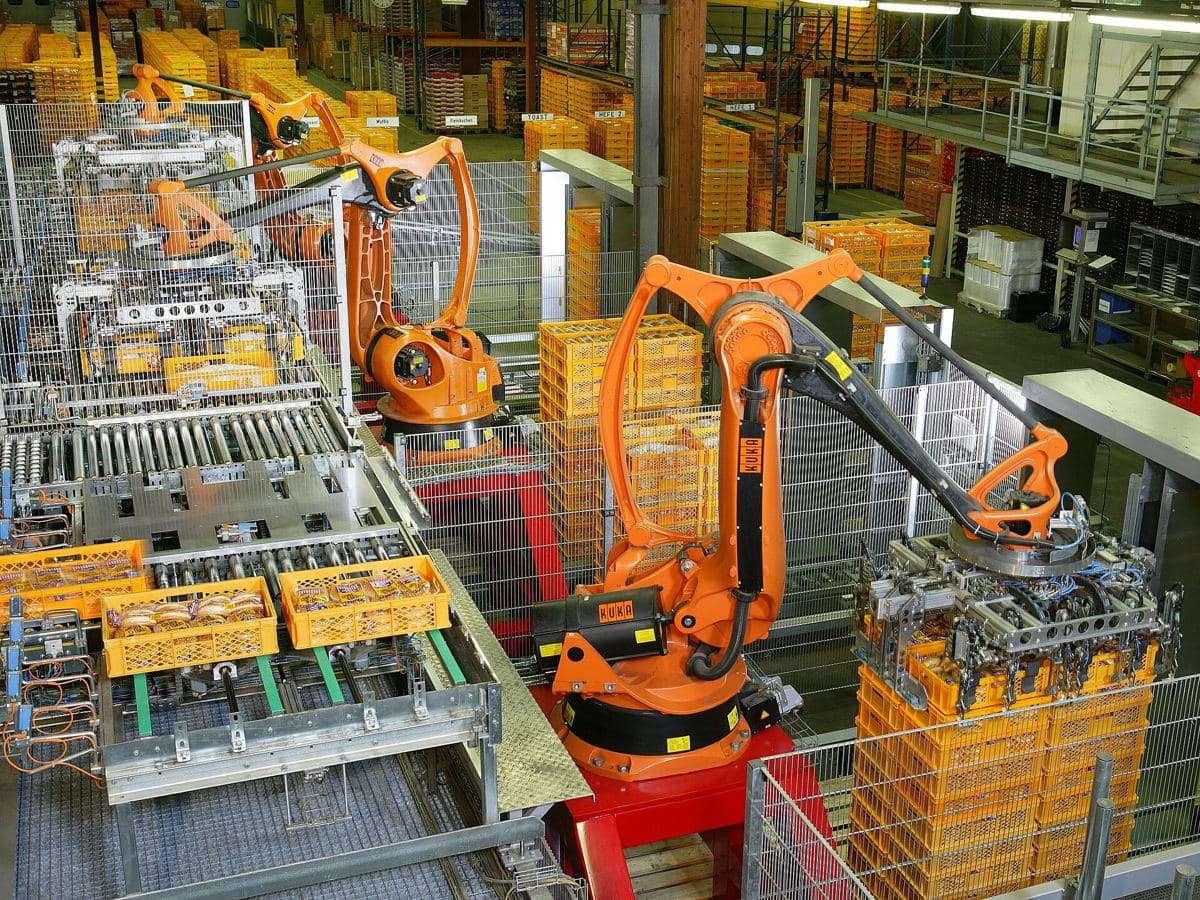
A palletiser is a machine that stacks cases, bags, trays or crates onto a pallet in a set pattern, layer by layer, to build a stable load for storage and shipping. Palletising is the first step of the storage station. It receives sealed and coded cases from the case packer, often from several packing lines merged onto one conveyor, and builds complete pallets. The finished pallet then moves to stretch wrapping or hooding, labelling and transfer to the warehouse or cold store. The palletiser decides how stable the load is, and an unstable pallet can collapse in transport, damage product and injure people. There are three main types. Conventional or layer palletisers arrange cases into a full layer on a forming table and then place the whole layer onto the pallet; high-level machines receive cases above the pallet and low-level machines receive them at floor height for easier access. They are fast and suit high-volume lines with a limited range of products. Robotic palletisers use an articulated or gantry robot with a gripper to pick one or more cases at a time and place them on the pallet; they are flexible, can build several pallets from different lines at once and handle mixed patterns and bags well, though a single robot is generally slower than a conventional layer palletiser. Hybrid and collaborative palletisers suit smaller lines and lower speeds. Most systems include automatic pallet and slip-sheet dispensers and a full-pallet outfeed conveyor. Palletisers are used for cases of snacks and frozen foods, beverage cases and shrink-wrapped trays, dairy crates, bags of flour, sugar and feed, canned goods and many other finished products. Cost and performance depend on the number of cases per minute, the number of lines served, the range of case sizes and pallet patterns, product type such as bags versus boxes, the gripper design, safety guarding, floor space and integration with stretch wrapping and warehouse systems. Robotic cells are easier to reconfigure for new products and patterns, while conventional layer palletisers suit the highest steady outputs; the right choice depends on speed, variety and the equipment around the machine.
Where it sits in the line
Featured Partner slot · open
Be the maker buyers see first on this page
Compare models
No sourced models yet. Makers: list yours.
Buying criteria
List the products, case sizes, pallet types and patterns needed, now and in the future, and how many lines will feed the palletiser. Match type to throughput and variety. Conventional layer palletisers suit high, steady outputs; robotic palletisers suit variety, several lines and bags. Check load stability. Pallet pattern software, case orientation, interlocking and stretch wrapping all contribute. Ask how new patterns are created and stored. Consider the gripper. Cases, bags, trays and crates need different grippers, and some machines can change them automatically. Review safety guarding, floor space, pallet and slip-sheet handling, integration with wrapping and labelling, and service support. Ask how quickly the system can be reprogrammed for a new case size or pattern without the supplier's engineers on site, and what spare parts should be kept on hand.
Buyers ask
How much does a palletiser cost?
It depends on the type, speed, number of lines served and the equipment around it. Speed, the number of lines and patterns, product type and gripper design are the main drivers for both robotic and conventional machines. Pallet dispensers, slip-sheet dispensers, conveyors, safety guarding, stretch wrapping and warehouse integration can add significantly to the total.
What is the difference between a robotic and a conventional palletiser?
A conventional palletiser forms a full layer of cases on a table and places it onto the pallet in one move, which is fast and suits high volumes. A robotic palletiser picks cases individually or in small groups, which is more flexible and can serve several lines and patterns.
What is a pallet pattern?
A pallet pattern is the arrangement of cases in each layer and the way layers alternate. Patterns are chosen to use the pallet area well and to interlock layers so the load stays stable. Palletiser software stores the patterns for each product.
Can one palletiser serve several packing lines?
Yes. Robotic palletisers are often set up to build several pallets at once from different lines, each with its own product and pattern. Conventional palletisers can also serve several lines when cases are merged onto one infeed conveyor and sorted by product.