Henkelman
13–26 s
Machine cycle
Henkelman · vacuum packaging machine
Polar 2-85
- Seal bar length
- 828 mm
- Vacuum pump capacity
- 300 m³/h
- Machine weight
- 685 kg
Packaging Technology · 12 models from 4 makers
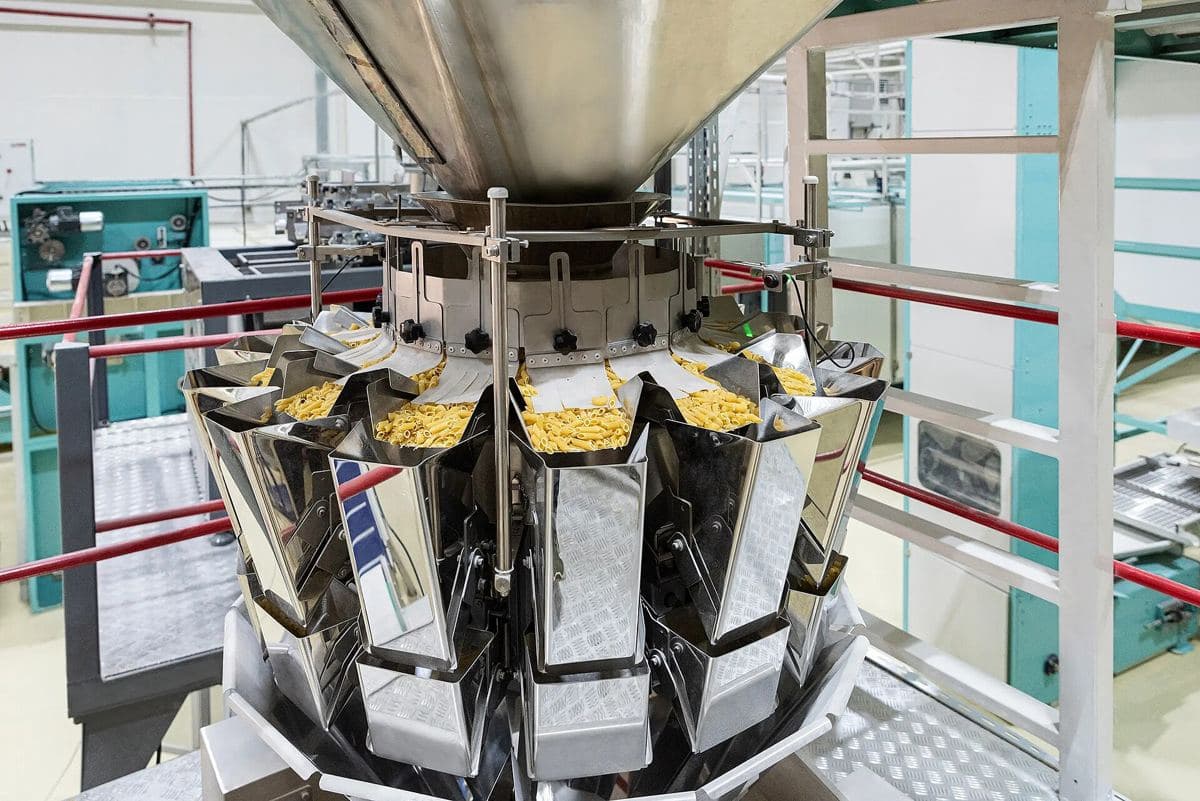
A vacuum packaging machine removes air from a pack around a food product and seals it, so the product keeps longer, stays clean and reaches the shelf or the next plant in the condition it left the line.
Photo: Talia Makina · Wikimedia Commons · CC BY-SA 4.0
A vacuum packaging machine removes air from a pack around a food product and seals it, so the product keeps longer, stays clean and reaches the shelf or the next plant in the condition it left the line.
Taking oxygen out of the pack slows the growth of spoilage organisms that need air, slows fat going rancid and stops freezer burn. That is why vacuum packing is standard for fresh red meat, poultry, fish and shrimp, hard and semi-hard cheese, smoked and processed meats, and many ready meals. It also makes packs tighter and smaller, which saves space in cold stores and shipping cartons, and it holds products firmly so they do not move in transit.
There are several kinds. Chamber machines take a filled bag into a closed chamber, pull the vacuum, seal the bag and open again; single and double chamber models suit small and medium plants, and a double chamber machine lets the operator load one side while the other side runs. Belt or conveyor chamber machines move bags into the chamber on a belt, so they can be fed from a line. Rotary vacuum machines carry bags round on a turning table of chambers for higher, continuous output. Thermoforming machines form trays or pockets from a bottom film inline, fill them, then pull the vacuum and seal a top film. Vacuum skin packaging, often called VSP or skin packing, draws a soft top film down tightly over the product on a tray, so it looks like a second skin and the product can be shown standing up in a retail display.
Vacuum packing is often combined with shrink bags, which tighten around the product in hot water or hot air after sealing, and with gas flushing, where a protective gas mix replaces some of the air for products that would be crushed by a full vacuum.
Cost and output depend on the machine type, chamber or tooling size, the vacuum pump, the cycle time, how bags or trays are loaded, hygiene design and the films the machine can run. Bags, trays and films are a running cost that often outweighs the machine over its life, so buyers should compare the price of the packaging material as well as the equipment.
Where it sits in the line
A vacuum packaging machine sucks the air out of a bag or tray around a food product and then seals it shut. With little air left inside, the food spoils more slowly and keeps its colour and texture longer. Some machines also shrink or tighten the film around the product so it looks neat on the shelf.
Every figure comes from the maker's own document.
Henkelman
13–26 s
Machine cycle
Henkelman · vacuum packaging machine
Henkelman
14–31 s
Machine cycle
Henkelman · vacuum packaging machine
Henkelman
15–33 s
Machine cycle
Henkelman · vacuum packaging machine
Promarksvac
1120 mm
Seal bar length
Promarksvac
5 cycles/min
Cycle rate
Promarksvac · vacuum packaging machine
Sealed Air (CRYOVAC brand)
20 cycles/min
Cycle rate
Sealed Air (CRYOVAC brand) · vacuum packaging machine
Sealed Air (CRYOVAC brand)
50 packs/min
Speed
Sealed Air (CRYOVAC brand) · vacuum packaging machine
Sealed Air (CRYOVAC brand)
35 packs/min
Speed
Sealed Air (CRYOVAC brand)
3.3 cycles/min
Cycle rate
Sealed Air (CRYOVAC brand) · vacuum packaging machine
WEBOMATIC Maschinenfabrik
3 cycles/min
Cycle rate
WEBOMATIC Maschinenfabrik · vacuum packaging machine
WEBOMATIC Maschinenfabrik
18 cycles/min
Cycle rate
WEBOMATIC Maschinenfabrik · vacuum packaging machine
WEBOMATIC Maschinenfabrik
3 cycles/min
Cycle rate
WEBOMATIC Maschinenfabrik · vacuum packaging machine
Featured Partner slot · open
Be the maker buyers see first on this page
| Model | Maker · country | Cycle rate | Speed | Seal bar length |
|---|---|---|---|---|
| Polar 2-85PDF | Henkelman BV · NL | — | — | 828 mm |
| Polar 2-95PDF | Henkelman BV · NL | — | — | 1090 mm |
| Titaan 110PDF | Henkelman BV · NL | — | — | 1090 mm |
| BT-1100PDF | Promarksvac Corporation · US | — | — | 1120 mm |
| CV-1000PDF | Promarksvac Corporation · US | 5 cycles/min | — | 1050 mm |
| CRYOVAC 8490 | Sealed Air (CRYOVAC brand) · US | 20 cycles/min | — | — |
| CRYOVAC 8600 series | Sealed Air (CRYOVAC brand) · US | — | 50 packs/min | — |
| CRYOVAC AutoVac 86 series | Sealed Air (CRYOVAC brand) · US | — | 35 packs/min | — |
| CRYOVAC AutoVac 95PDF | Sealed Air (CRYOVAC brand) · US | 3.3 cycles/min | — | 1500 mm |
| CL-C 950PDF | WEBOMATIC Maschinenfabrik GmbH · DE | 3 cycles/min | — | 950 mm |
| ML-C 3600PDF | WEBOMATIC Maschinenfabrik GmbH · DE | 18 cycles/min | — | — |
| PNC 20PDF | WEBOMATIC Maschinenfabrik GmbH · DE | 3 cycles/min | — | 830 mm |
Makers of vacuum packaging machines: Henkelman BV · Promarksvac Corporation · Sealed Air (CRYOVAC brand) · WEBOMATIC Maschinenfabrik GmbH
Buying criteria
Start from the product and the pack. Fresh meat, fish, cheese and processed meat each have their own pack styles: shrink bags, skin packs, thermoformed packs or trays with gas. Decide the pack first, then the machine.
Match the machine type to your output. A single or double chamber machine suits a small or medium plant with manual loading. A belt chamber or rotary machine suits a line with steady volume. A thermoformer suits high volumes of one product family with fixed pack sizes.
Check the chamber or tooling size against your largest product, including its height, and ask what changeover between pack sizes involves.
Look at the vacuum pump: its capacity, how it is serviced, and whether its oil and filters are easy to reach. Ask for the cycle time with your product and your film, not the brochure figure.
Compare the cost of films, bags and trays over several years, and whether the machine can run recyclable or mono-material films. Check hygiene design and cleaning access, especially for meat, fish and dairy, and the maker's local service, spare parts and training.
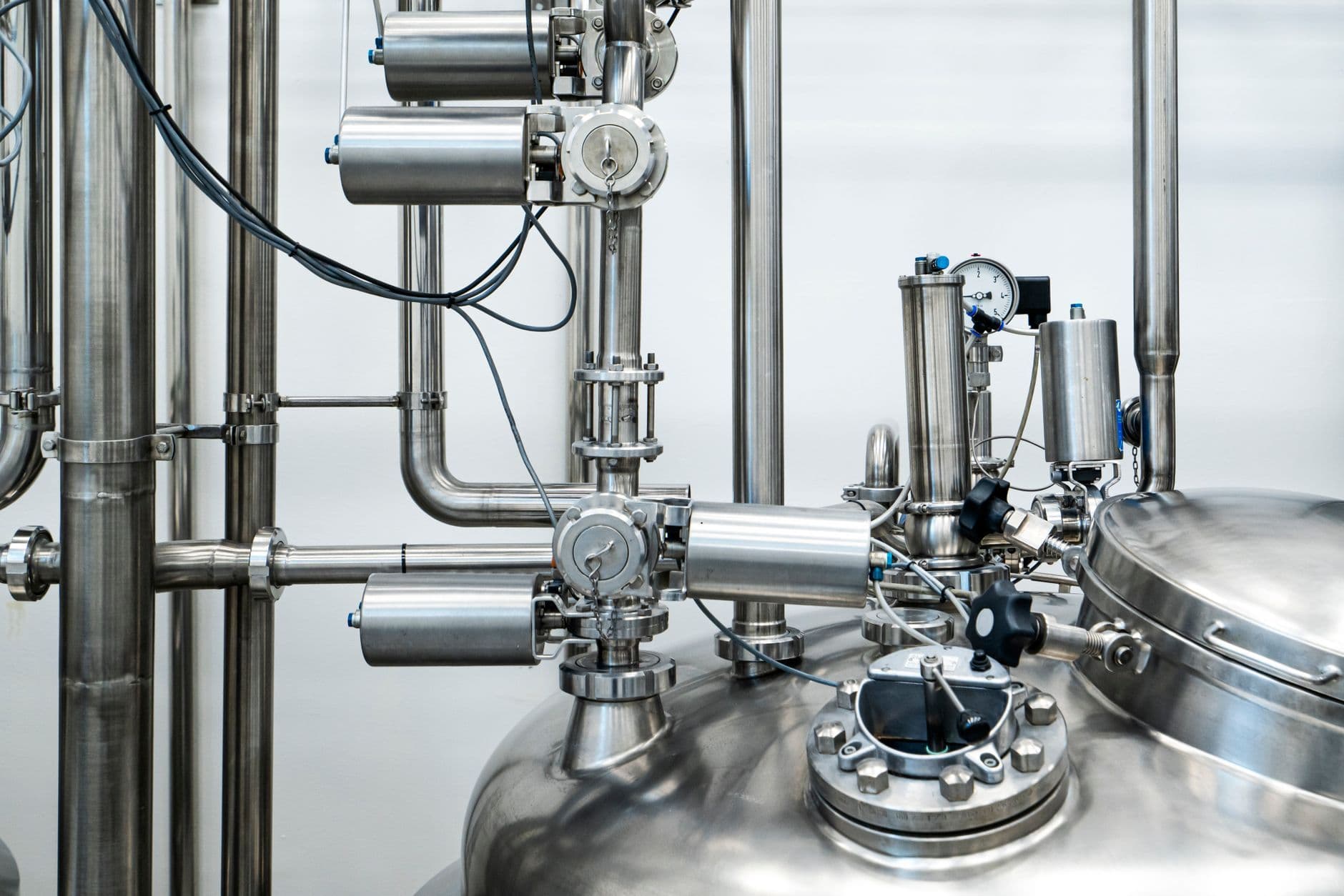
Photo: Policarpo Brito / Pexels · Stock
A vacuum packaging machine sucks the air out of a bag or tray around a food product and then seals it shut. With little air left inside, the food spoils more slowly and keeps its colour and texture longer. Some machines also shrink or tighten the film around the product so it looks neat on the shelf.
In a chamber machine the operator places a filled bag into the chamber by hand, closes the lid and the machine pulls the vacuum and seals. In a belt or conveyor chamber machine the bags travel into the chamber on a belt, so the machine can be fed from a line and needs less handling.
Vacuum skin packaging draws a soft heated top film tightly over the product sitting on a tray, so the film follows the product's shape like a second skin. It holds the product in place, shows it clearly and is widely used for meat cuts, fish and ready meals in retail.
No. Vacuum packing removes the air from the pack. Modified atmosphere packaging replaces the air with a chosen gas mix, often used in trays where a full vacuum would crush the product. Some machines can do both.
It depends on the type and output. A tabletop or single chamber machine costs far less than a belt chamber, rotary or thermoforming line. The running cost of bags, trays and films over the machine's life is often larger than the machine price, so compare both.